
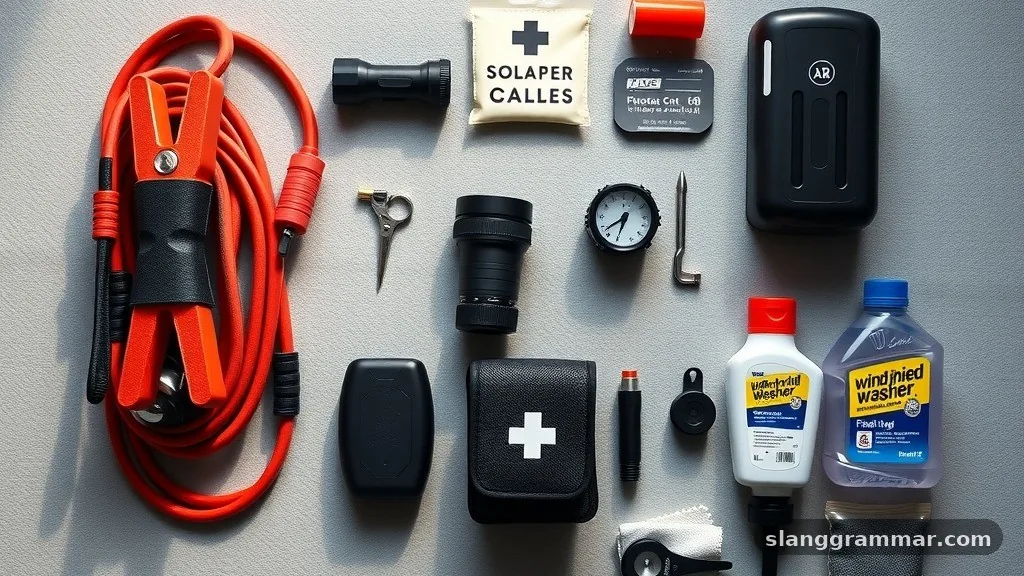
What to Pack for Overnight Road Trip: Essential Checklist
Preparing to pack for an overnight road trip doesn’t require a massive suitcase or hours of planning. You really only need a few key items to stay comfortable and safe while you are behind the wheel or relaxing at your destination. By focusing on the absolute essentials, you can avoid the clutter that often makes travel stressful and keep your focus on the road ahead.
If you are wondering exactly what to bring, focus on the Rule of Three for comfort: one set of spare clothes, one dedicated snack stash, and one emergency kit. This simple framework ensures you have the basics covered without overstuffing your vehicle. Keeping your supplies organized in a single, accessible bag will make your journey much smoother.
Essential Gear for Your Vehicle
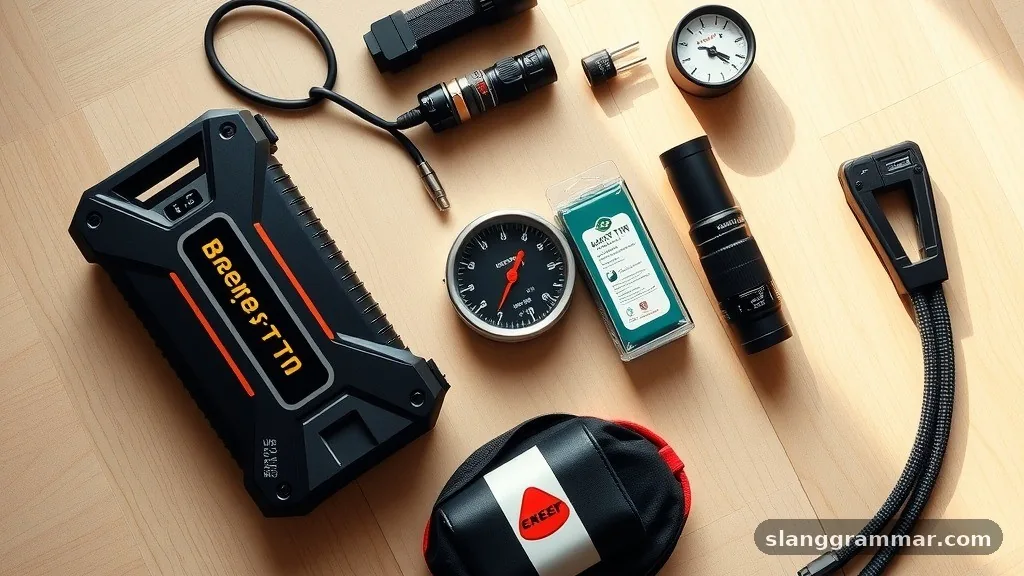
Before you even think about your suitcase, you need to ensure your car is ready for the journey. A reliable vehicle is the most important part of any trip, so check your tire pressure and fluid levels before leaving your driveway. You should always carry a basic roadside emergency kit that includes jumper cables, a flashlight with fresh batteries, and a tire pressure gauge.
Having these items on hand can turn a potential disaster into a minor inconvenience. If you find yourself stranded on a dark shoulder, having a reflective triangle or high-visibility vest is a smart safety move. These items are inexpensive and take up almost no space in your trunk.
Don’t forget to keep a physical map or an offline navigation app downloaded to your phone. Cell service can be notoriously spotty in rural areas, and relying solely on a cloud-based connection is a gamble. Bringing a portable power bank is also a wise decision to keep your devices charged throughout the day.
Clothing and Personal Care
When you pack for an overnight road trip, the goal is versatility rather than variety. You only need one fresh outfit for the next day, plus comfortable layers for the drive. Choose fabrics that don’t wrinkle easily, as you will likely be spending several hours sitting in a car seat.
Your personal care kit should be small enough to fit inside the glove box or the side door pocket. Include essentials like travel-sized toothpaste, a toothbrush, lip balm, and a small bottle of hand sanitizer. These items help you feel refreshed after a long stretch of driving without needing a full-sized toiletry bag.
Consider the weather forecast for your destination before you finalize your clothing choices. Even if it is sunny when you leave, mountain passes or coastal areas can drop in temperature rapidly after sunset. A light jacket or a fleece sweater is a perfect layer to keep in the backseat within arm’s reach.
Snacks and Hydration Strategy
Food and water are the fuel that keeps a driver alert and happy. Avoid messy snacks that leave crumbs everywhere or require complex preparation. Instead, opt for items like almonds, beef jerky, or whole fruits that you can eat with one hand while keeping your eyes on the road.
Hydration is equally important, but you should balance your intake to avoid constant stops. A reusable water bottle is a better option than plastic ones because it stays cold longer and reduces waste. You can find more tips on safe travel practices through the National Highway Traffic Safety Administration guidelines.
Try to avoid sugary sodas or excessive caffeine, which often lead to a mid-afternoon energy crash. Stick to water or electrolyte-enhanced drinks to maintain steady focus. If you are traveling with others, create a communal snack bag so everyone can reach for food without needing to dig through luggage.
Health and First Aid Basics
A compact first aid kit is non-negotiable for any trip, no matter how short. You should include bandages, antiseptic wipes, and a small supply of pain relievers like ibuprofen or acetaminophen. These minor supplies can handle small cuts or headaches that might otherwise ruin your mood.
Check your current medication supply to ensure you have enough for the entire duration of the trip plus an extra day. It is always better to have a little more than you need in case your plans change or you face an unexpected delay. If you have specific medical needs, keep your prescriptions in their original labeled bottles.
Sun protection is another frequently overlooked health essential for drivers. Even with the windows rolled up, UV rays can penetrate glass and cause skin damage over long hours. Keep a pair of polarized sunglasses and a small tube of sunscreen in your console to protect your eyes and skin.
Organizing Your Luggage
The way you pack your car determines how easy your trip will be. Place heavy items at the bottom of your trunk and keep your emergency kit and snacks in the cabin. You want your “need-to-reach” items to be accessible without having to pull over and unpack your entire trunk.
Using clear, stackable bins can help keep small items from sliding around during turns. If you are traveling with a partner, try to keep your items in separate, color-coded bags so you aren’t searching for your toothbrush in their pile of clothes. Efficiency in packing leads directly to efficiency in travel.
Avoid leaving loose items on your dashboard or rear parcel shelf. These can become projectiles during a sudden stop or block your view of the rearview mirror. Everything should have a dedicated spot so you can find what you need by feel, even in low light.
Comparing Travel Needs
To help you prioritize, consider how different types of items impact your road trip experience. The following table highlights the difference between items that are vital for safety versus those that are simply for comfort.
| Category | Vital (Must Have) | Optional (Comfort) |
|---|---|---|
| Safety | Jumper Cables | Portable Jump Starter |
| Personal | Prescription Meds | Skincare Routine |
| Food | Water Bottle | Cooler with Ice |
| Navigation | Offline Maps | Printed Road Atlas |
Focusing on the “Vital” column first ensures you are never caught unprepared. The optional items can be added only if you have extra room and genuinely expect to use them. Keeping this balance prevents you from overpacking your vehicle with unnecessary weight.
Frequently Asked Questions
What is the 5-4-3-2-1 rule for packing?
This is a popular method that suggests packing five tops, four bottoms, three accessories, two pairs of shoes, and one hat. For an overnight trip, you can scale this down significantly to just one or two of each category to save space.
Do I really need a full first aid kit for a one-night trip?
You don’t need a massive kit, but a small pouch with basic bandages and pain relievers is essential. It is better to have it and not need it than to deal with a minor injury in an unfamiliar area.
How can I stay awake during a long drive?
The best way to stay alert is to take short, frequent breaks every two hours. Stretch your legs, breathe fresh air, and drink plenty of water to keep your body active and your mind sharp.
What should I do if my car breaks down at night?
Stay inside your vehicle if it is safe to do so and turn on your hazard lights. Use your phone to call for roadside assistance and keep your location services on so responders can find you easily.
Should I pack a pillow for the passenger?
Yes, a small travel pillow can make a huge difference in comfort for the passenger. It helps them rest during long stretches and makes the overall journey feel much less fatiguing.
When you decide what to pack for an overnight road trip, the most important rule is to keep it simple. By prioritizing safety gear, comfortable clothing, and basic hydration, you ensure that your journey remains enjoyable rather than a chore. Take a moment to double-check your list before you leave, focusing on the items that keep your vehicle running and your mind at ease.
Planning ahead allows you to focus on the scenery and the destination instead of worrying about what you might have forgotten. A well-organized bag makes every stop more efficient and every mile more relaxing. Enjoy your journey, drive safely, and don’t hesitate to adjust your kit based on the specific needs of your next adventure.