
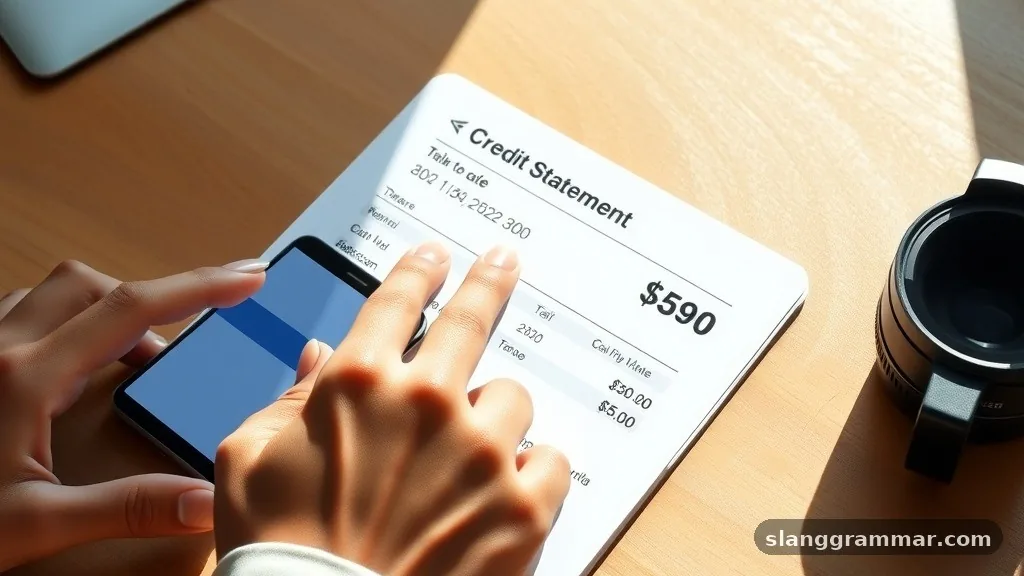
How to Read a Credit Card Statement Correctly
Reading a credit card statement correctly is one of the most important habits for maintaining your financial health. Many people glance at the total amount due and ignore the rest, but this document contains vital details about your spending, interest rates, and upcoming deadlines. By learning to scan these pages effectively, you can spot errors early, avoid unnecessary fees, and better understand your personal cash flow.
Taking a few minutes each month to review your account activity ensures you stay in control of your budget and helps you avoid costly surprises. Let’s break down exactly what you need to look for to keep your finances on track.
Understanding Your Billing Cycle and Due Date
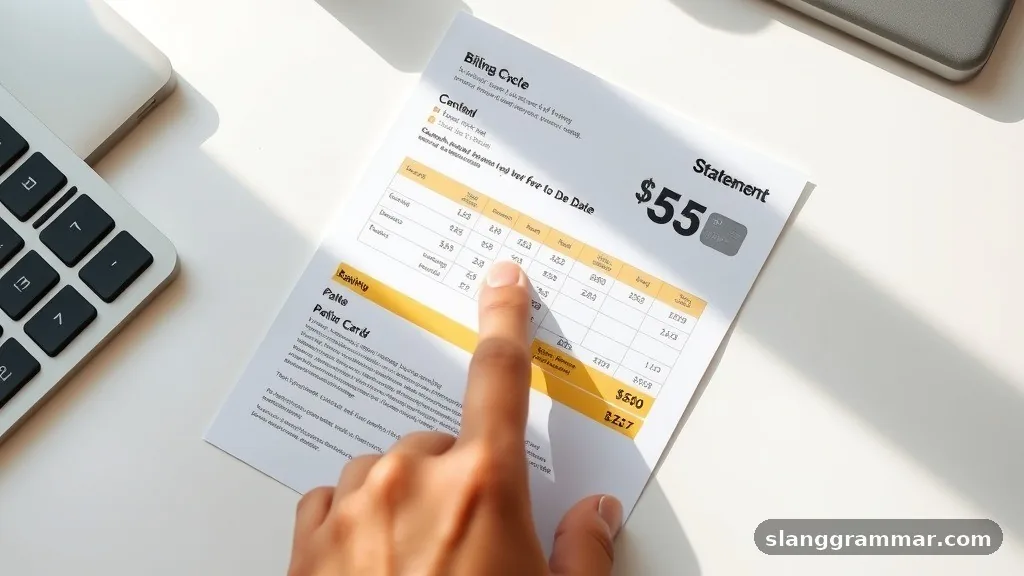
The very first thing you should identify on any statement is the billing cycle. This period represents the timeframe during which your transactions were recorded. It usually spans roughly 28 to 31 days.
Understanding your cycle is crucial because it dictates when your charges are tallied and when your payment is officially required. If you make a purchase one day after a cycle closes, that charge won’t appear until your next statement, which can sometimes lead to confusion about when a payment is actually due.
Next, focus your eyes on the payment due date. This is the most critical deadline on the page. If you miss this date, you face late fees and potential damage to your credit score.
Many people mistakenly believe they have a grace period beyond the date printed, but relying on that is a dangerous game. Your goal should be to schedule your payment at least three business days before the due date to ensure it clears the banking system on time.
A common mistake is confusing the statement balance with your current balance. The statement balance is the amount you owed at the end of the billing cycle. If you pay this amount in full by the due date, you generally avoid paying interest on your purchases.
The current balance, however, is a real-time reflection of everything you have spent, including transactions made after the billing cycle closed. Always aim to pay off your statement balance in full to keep your account in good standing.
Reviewing Transaction Details for Accuracy
Once you understand your deadlines, you must verify every single line item on your account activity list. This is the most labor-intensive part of the process, but it is also the most important for security.
Scan every merchant name and dollar amount to ensure you recognize the purchase. It is surprisingly easy to overlook a recurring subscription you forgot to cancel or a duplicate charge that shouldn’t be there.
If you find a charge you don’t recognize, don’t panic. Sometimes, a merchant uses a different name for their payment processor than the one on their storefront. You can search the merchant name online to see if it matches a place you visited.
However, if the charge is truly unauthorized, you must contact your bank immediately to dispute it. According to the Consumer Financial Protection Bureau, you have specific rights when it comes to reporting fraudulent activity, so acting quickly is essential for your protection.
A common mistake here is assuming that just because a charge is small, it isn’t worth investigating. Fraudsters often start with tiny “test” charges to see if the cardholder notices before attempting a large transaction.
By keeping a close eye on every line, you stop these issues before they escalate. If you have a shared account, coordinate with your partner to ensure you both know what each transaction represents before you assume something is an error.
Deciphering Interest Charges and Fees
If you don’t pay your full balance every month, your statement will include a section detailing interest charges. This is the cost of borrowing money from the bank.
The interest is calculated based on your average daily balance and your Annual Percentage Rate (APR). Seeing these numbers in black and white can be eye-opening and serves as a strong motivator to pay off your debt as quickly as possible.
You should also look for any miscellaneous fees listed on the statement. These might include annual fees, balance transfer fees, or foreign transaction fees. While some of these are expected, others might be avoidable.
If you notice a fee you weren’t expecting, call your bank’s customer service line. Sometimes, they are willing to waive a late fee if you have a long history of on-time payments, or they might help you switch to a card without an annual fee if you aren’t getting value from your current one.
One common mistake is only paying the minimum payment. While the minimum payment keeps your account in good standing, it does very little to reduce your principal debt.
Because of how compounding interest works, paying only the minimum means you will end up paying significantly more in interest over the life of your debt. Always try to pay as much as you can afford above the minimum, even if you can’t pay the full balance all at once.
Analyzing Your Spending Trends
Beyond just paying bills, your statement is a powerful tool for self-reflection. Most modern credit card portals categorize your spending, showing you exactly how much you spent on groceries, dining out, entertainment, and travel.
Use this data to spot habits that might be eating into your savings. If you notice your dining out category is higher than you expected, you have a concrete target for where to cut back next month.
Try to compare your current statement to the previous two or three months. Are your expenses trending upward? Are there seasonal spikes in your spending that you need to prepare for in the future?
By tracking these patterns, you can adjust your monthly budget to better align with your financial goals. A credit card statement isn’t just a bill; it is a financial mirror that shows you exactly how you are living your life.
A common mistake is looking at these categories and feeling guilty rather than empowered. Instead of beating yourself up over a high bill, use the information to make a plan.
If you see that you are spending too much on impulse buys, consider setting a rule for yourself, such as waiting 24 hours before making any non-essential purchase. The statement is just data, and data is the best tool you have for making better choices tomorrow.
Managing Multiple Cards and Accounts
If you carry more than one credit card, reading your statements becomes even more critical. Each card has a different billing cycle, a different due date, and different interest rates.
Managing these requires a system, such as a spreadsheet or a simple calendar, to track when each payment is due. Failing to coordinate these dates is the fastest way to accidentally miss a payment and trigger a fee.
When you have multiple accounts, you should also consider your credit utilization ratio. This is the total amount of credit you are using across all your cards compared to your total available credit.
Experts generally suggest keeping this number below 30 percent to maintain a healthy credit score. Your statements will show you exactly where you stand on this ratio, allowing you to pay down specific cards to improve your overall credit profile.
A common mistake is to ignore the statements for cards you don’t use often. Even if you only use a card for a single recurring subscription, you still need to monitor it.
If your card is compromised, an unused account can sometimes go unmonitored for months, allowing fraudulent charges to pile up. If you don’t use a card, consider freezing it or setting up automated alerts so you are notified of any activity on the account.
Establishing a Consistent Review Routine
The best way to stay on top of your finances is to create a ritual around your statements. Pick a specific day each month—perhaps when you pay your other bills—to sit down and look through your account activity. It doesn’t have to be a chore.
Make yourself a cup of coffee, find a quiet space, and treat it as a check-in with your future self. Consistency is the secret to never missing a deadline or letting a fraudulent charge slide.
If you prefer digital over paper, take advantage of your bank’s mobile app. Most apps provide real-time notifications for every purchase, which makes reading a credit card statement correctly much easier because you are already familiar with the transactions before the statement even arrives.
You can categorize your spending as you go, making the end-of-month review a breeze. Choose the method that works best for your brain, whether that is a physical printout or a digital dashboard.
A common mistake is waiting until the last minute to review your statement. When you rush, you are more likely to miss details or make a mistake with your payment amount.
By reviewing your statement as soon as it is available, you give yourself plenty of time to address any issues or reach out to customer service if you have questions. This proactive approach turns a stressful obligation into a simple, manageable part of your monthly routine.
Ultimately, mastering your financial documents is a process of small, consistent actions that yield big results over time. By staying diligent and keeping an eye on your activity, you ensure that your money is working for you rather than against you. Reading a credit card statement correctly allows you to catch errors, manage your interest costs, and keep your credit score in excellent shape.
Remember that your financial health is built on these small, boring, yet vital habits. If you ever feel overwhelmed by the numbers, take a breath and focus on one section at a time.
You have the power to stay informed, and the more you practice these steps, the more natural and confident your financial decision-making will become. Start your next review today and take charge of your account.