
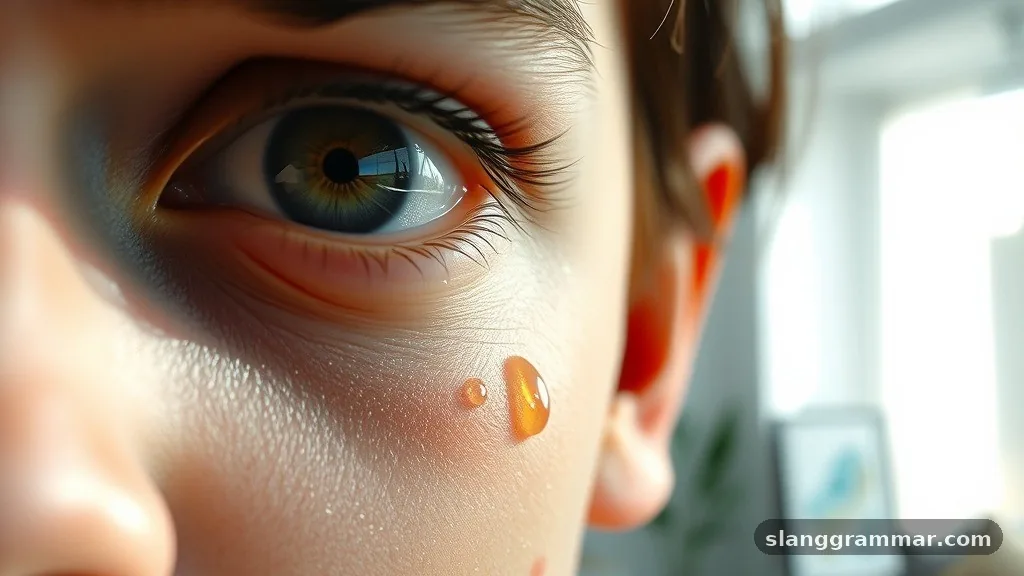
Why Do My Eyes Water Indoors? Possible Causes?
When you notice that your eyes are constantly tearing up while you are inside, it can be both frustrating and distracting. Understanding why do my eyes water indoors? Possible causes range from simple environmental triggers to underlying medical conditions that might require professional attention.
This article explores the various reasons your eyes might react to indoor settings and provides clarity on when you should seek advice from a medical professional. By examining factors like air quality, digital habits, and anatomical blockages, you can better identify the source of your discomfort.
Environmental Irritants and Air Quality

The air inside your home or office is often the primary culprit when you experience persistent tearing. Many indoor environments suffer from low humidity, especially during winter months when heating systems are running constantly.
When the air is too dry, your eyes may overcompensate by producing a surge of reflex tears. This is a common biological reaction to the lack of moisture on the ocular surface.
Dust and dander are other significant factors that contribute to irritation. If your living space has significant amounts of dust, pet hair, or fabric fibers, these particles can land on your eyes and cause immediate watering.
Even if you do not have a formal allergy, these physical irritants can stimulate the tear glands to wash away debris. You might notice this more frequently when vacuuming or moving items that have collected dust over time.
Chemical pollutants are also worth considering as a potential source of irritation. Household cleaning products, scented candles, and air fresheners release volatile organic compounds into the air.
These chemicals can irritate the delicate mucous membranes of your eyes, leading to tearing as your body attempts to flush out the perceived threat. Reducing your use of harsh chemicals or improving ventilation can often provide immediate relief if these substances are the source of your issues.
The Role of Digital Eye Strain
Modern life requires long hours in front of screens, which significantly impacts how our eyes function. When you focus on a monitor, tablet, or smartphone, your blink rate drops significantly.
Research suggests that people blink up to 60 percent less frequently when staring at digital devices. This reduced blink rate prevents the even distribution of the tear film across the surface of the eye.
As the tear film breaks down, the eye becomes dry, which triggers a reflex tearing response. While it may seem counterintuitive that dry eyes cause watering, the body is simply trying to protect itself from the discomfort of dryness.
This condition is often referred to as evaporative dry eye. If you find your eyes watering after a long work session, it is likely a sign that you need to take more frequent breaks.
To mitigate this, many eye care professionals recommend the 20-20-20 rule. Every twenty minutes, look at something at least twenty feet away for twenty seconds.
This simple habit helps reset your blink rate and allows the muscles around your eyes to relax. Maintaining proper lighting and ensuring your screen is positioned correctly can also reduce the overall strain that leads to excessive tearing.
Anatomical Issues and Blocked Tear Ducts
Sometimes the issue is not that your eyes are producing too many tears, but that they are unable to drain correctly. Your eyes rely on a system of small channels called tear ducts to move excess moisture into your nasal cavity.
If these ducts become narrowed or completely blocked, the tears have nowhere to go but down your cheeks. This condition is medically known as epiphora.
A blockage can be caused by inflammation, chronic sinus infections, or even the natural aging process. As you get older, the tiny openings in the inner corners of your eyes may narrow, making it difficult for the natural tear flow to clear out properly. If you notice that your eyes water primarily when you are stationary or reading, it could indicate that the drainage system is not keeping up with normal tear production.
In some cases, the eyelid itself may be the problem. If the eyelid turns inward, known as entropion, the eyelashes can rub against the eye, causing constant irritation and watering.
Conversely, if the eyelid turns outward, known as ectropion, the tear duct opening may not sit flush against the eye, preventing proper drainage. A visit to an eye specialist can help determine if your anatomy is contributing to the problem.
Allergic Reactions to Indoor Allergens
Indoor allergies are a frequent cause of watery eyes that many people underestimate. Even in a clean-looking home, microscopic allergens like dust mites, mold spores, and pet dander can trigger an immune response in the eyes.
When these allergens come into contact with the conjunctiva, the body releases histamine. This chemical reaction leads to itching, redness, and a significant increase in tear production.
Unlike seasonal outdoor allergies, indoor allergies are present year-round. This means you might experience symptoms regardless of the weather outside.
If you notice your eyes watering more when you are in a specific room or near a carpeted area, you might be reacting to high concentrations of allergens in that space. Using an air purifier with a HEPA filter can help reduce the density of these particles in your home.
It is also important to consider the role of bedding and upholstery. Dust mites thrive in soft surfaces, and sleeping on pillows or mattresses that have not been cleaned recently can exacerbate your symptoms. Washing your linens in hot water and using allergen-proof covers can often make a noticeable difference in how your eyes feel throughout the day.
Table: Comparing Common Causes of Watery Eyes
| Cause | Primary Symptom | Typical Solution |
|---|---|---|
| Dry Air | Reflex tearing | Use a humidifier |
| Digital Strain | Blurred vision/tearing | Follow 20-20-20 rule |
| Blocked Ducts | Chronic overflow | Consult a professional |
| Allergies | Itching and tearing | HEPA air filtration |
When to See a Doctor
While occasional tearing is usually a minor inconvenience, there are times when it signals a more serious underlying issue. If your watering is accompanied by pain, changes in your vision, or significant discharge, you should not wait to seek medical help. These symptoms could indicate an infection or a corneal abrasion that requires prompt treatment to prevent long-term damage.
You should also consult a doctor if the tearing persists despite your best efforts to control the environment. If you have tried using artificial tears, adjusting your screen time, and cleaning your home for allergens without success, there may be a structural problem that only a specialist can diagnose. They can perform a simple procedure to check if your tear ducts are patent and flowing correctly.
Do not ignore symptoms that involve the eyelid itself. If you notice swelling, lumps, or an abnormal position of the eyelid, these are clear indicators that you need a physical examination.
Early intervention is key to managing conditions like blepharitis or ductal blockages. You can find more detailed information on ocular health through resources like the National Eye Institute.
Frequently Asked Questions
Can dehydration cause my eyes to water?
Yes, systemic dehydration can affect your entire body, including your tear production. When you are not drinking enough water, your body may struggle to maintain the moisture balance required for your eyes, leading to irritation and a reflex tearing response.
Are over-the-counter drops always the best solution?
Artificial tears are excellent for relieving dryness, but they are not a cure-all. If your eyes are watering due to an anatomical blockage or an active infection, over-the-counter drops will only provide temporary relief and will not address the root cause of the issue.
Why does my eye water only when I am reading?
Reading requires intense focus, which naturally reduces your blink rate. As your eyes stay open longer without blinking, the tear film evaporates, causing the eye to dry out and trigger a reflex to produce more tears to compensate for the dryness.
Is it possible that my makeup is causing my eyes to water?
Absolutely, as many cosmetic products contain fragrances and preservatives that can irritate the sensitive skin around the eyes. If you use eyeliner or mascara that flakes or migrates into your eye, it can cause immediate irritation and excessive tearing.
Can a sinus infection affect my eyes?
The eyes and the nasal cavity are connected by the tear drainage system. If you have a sinus infection, the inflammation can block those drainage channels, causing tears to back up and spill over the eyelid instead of draining into the nose.
Addressing the question of why do my eyes water indoors? Possible causes are numerous and often interrelated, requiring a systematic approach to identify the specific trigger. Whether your discomfort stems from the dry air of a climate-controlled room, the strain of prolonged digital activity, or a physical blockage in your tear ducts, there is usually a path to relief.
By monitoring your environment and paying attention to when your symptoms are at their worst, you can gather the data needed to make effective changes. If the problem persists or involves pain, consulting a medical professional remains the most reliable way to protect your vision. Taking small, proactive steps today can help ensure your eyes remain comfortable and healthy in your indoor spaces.