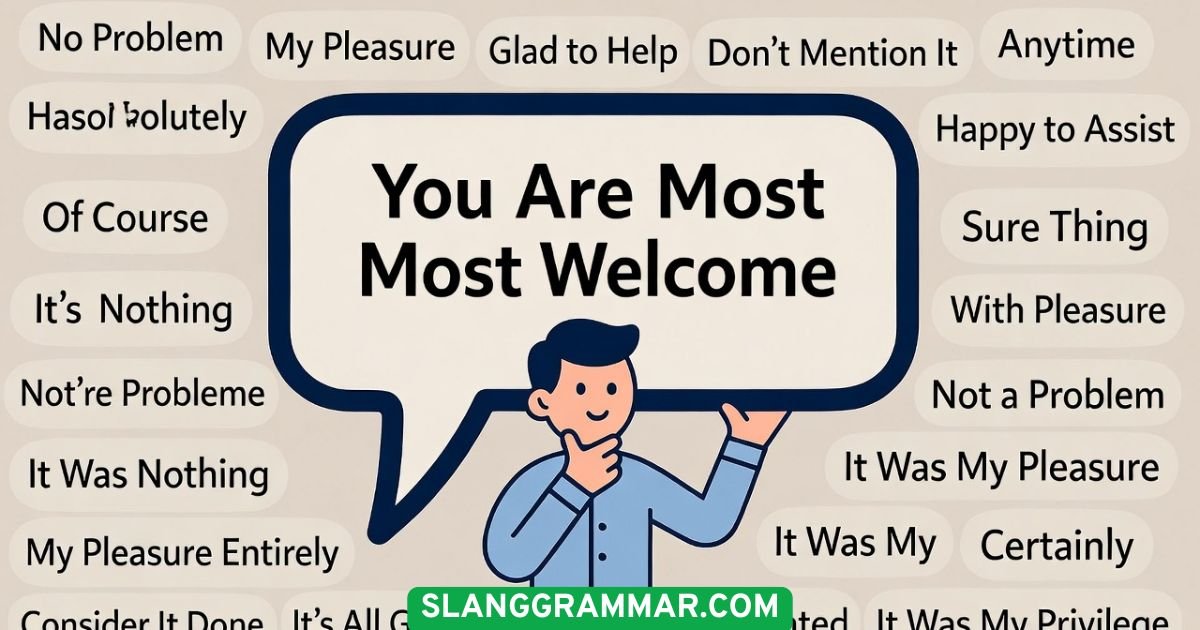
You Are Most Welcome: Meaning, Usage, and 30 Better Ways to Say It
“You Are Most Welcome” means you gladly accept someone’s thanks. It is a polite reply after someone says “thank you.” It shows that you were happy to help them.
Many people use the same reply again and again. But the right words can make your answer sound warmer. Learning this phrase helps you reply with more respect.
“You Are Most Welcome” is correct and polite English. It can be used in formal, professional, and friendly situations. It sounds kind, respectful, and helpful in conversation.
What Does “You Are Most Welcome” Mean?
Explain that “You Are Most Welcome” means someone gladly accepts another person’s thanks. It is a warm way to say that helping, supporting, or doing something kind was not a burden.
This phrase is stronger and more polite than the simple phrase “You’re welcome.” The word “most” adds extra warmth and respect, making the reply feel more formal and thoughtful.
Simple Definition of “You Are Most Welcome”
Define it in simple words:
“You Are Most Welcome” means “I was happy to help you, and you do not need to thank me too much.”
Example of “You Are Most Welcome”
Add a short example:
Person A: Thank you for helping me with the project.
Person B: You are most welcome.
Why People Say “You Are Most Welcome”
Explain that people use this phrase to sound respectful, kind, and polite. It is often used when someone wants to show extra courtesy after receiving thanks.
When to Use “You Are Most Welcome”
Explain that You Are Most Welcome is best used when someone thanks you and you want to reply in a polite, warm, and respectful way.
This phrase works well in formal conversations, workplace emails, customer service, hospitality, and respectful personal situations.
Use “You Are Most Welcome” in Formal Situations
Explain that the phrase sounds natural when speaking to customers, guests, clients, managers, teachers, or people you do not know very well.
Example:
Thank you for your quick assistance.
You are most welcome.
Use “You Are Most Welcome” in Professional Emails
Explain that it can work in professional emails when you want to sound courteous. However, mention that “You’re very welcome,” “Happy to help,” or “My pleasure” may sound more natural in modern American business writing.
Example:
Thank you for sending the information.
You are most welcome. Please let me know if you need anything else.
Use “You Are Most Welcome” in Customer Service
Explain that this phrase can sound respectful in customer service, especially when helping a customer with a problem, question, or request.
Use “You Are Most Welcome” in Personal Conversations
Explain that it can also be used with friends and family, but it may sound a little too formal in casual texting or relaxed speech.
Is It Professional/Polite to Say “You Are Most Welcome”?
Explain that You Are Most Welcome is both professional and polite. It is not rude or incorrect. It shows respect and kindness.
However, for a USA audience, mention that many Americans usually say “You’re welcome,” “No problem,” “No worries,” “My pleasure,” or “Happy to help” because these phrases sound more natural in daily conversation.
Is “You Are Most Welcome” Professional?
Explain that You Are Most Welcome can be professional when used in formal emails, customer service replies, client communication, and business conversations.
It gives the message a polite and respectful tone, especially when the situation is serious or formal.
Is “You Are Most Welcome” Polite?
Explain that the phrase is very polite because it clearly responds to someone’s thanks and shows that the speaker values the other person’s appreciation.
Is “You Are Most Welcome” Too Formal?
Explain that it can sound too formal in casual American English. For example, if a friend says, “Thanks for the ride,” a reply like “No problem” or “Anytime” may sound more natural than “You Are Most Welcome.”
Pros and Cons
Introduce this section by explaining that You Are Most Welcome is a good phrase, but it is not always the best choice for every situation.
Pros
Explain that You Are Most Welcome sounds respectful, polite, and complete. It works well in professional, formal, and customer-facing situations.
It can make the speaker sound helpful and well-mannered. It is also easy to understand, even for English learners.
Cons
Explain that You Are Most Welcome may sound too formal, stiff, or old-fashioned in casual conversations.
It may not always match the natural tone of American English, especially in friendly texts, social media replies, or relaxed workplace chats.
Mention that using it too often can make replies sound repeated or robotic.
No Problem
Explain that No Problem is a casual and friendly alternative to You Are Most Welcome. It means the help was easy and did not cause trouble.
This phrase is common in American English and works well with friends, coworkers, classmates, and people you know well.
Example:
Thanks for helping me move the chairs.
No problem.
No Worries
Explain that No Worries means the other person does not need to feel bad, stressed, or overly thankful.
It is relaxed and friendly, making it a good choice for casual conversations and modern workplace chats.
Example:
Thanks for fixing that mistake.
No worries.
Anytime
Explain that Anytime is a short and warm way to say You Are Most Welcome. It suggests that you would be happy to help again.
It works well with friends, family, neighbors, and friendly coworkers.
Example:
Thanks for giving me a ride.
Anytime.
My Pleasure
Explain that My Pleasure is one of the best professional alternatives to You Are Most Welcome. It sounds polished, respectful, and kind.
This phrase works well in business, hospitality, customer service, and formal emails.
Example:
Thank you for your quick response.
My pleasure.
Happy to Help
Explain that Happy to Help is friendly, natural, and professional. It shows that you were glad to assist the person.
This is a strong option for emails, workplace messages, customer support, and everyday conversations.
Example:
Thanks for explaining the process.
Happy to help.
Certainly
Explain that Certainly is a formal and polite reply. It sounds confident and respectful.
It works best in professional situations, especially when speaking with customers, clients, or managers.
Example:
Thank you for checking that for me.
Certainly.
Of Course
Explain that Of Course is warm and natural. It tells the other person that helping them was expected, easy, or gladly done.
This phrase works well in both casual and professional situations.
Example:
Thanks for listening to me.
Of course.
Don’t Worry About It

Explain that Don’t Worry About It is a casual way to say that the person does not need to feel guilty or concerned.
It is best for informal situations, not very formal emails.
Example:
Thanks for covering for me today.
Don’t worry about it.
You Got It
Explain that You Got It is casual, friendly, and common in American English. It can mean “sure,” “of course,” or “you’re welcome.”
This phrase works well in relaxed conversations and service settings.
Example:
Thanks for grabbing my coffee.
You got it.
No Trouble at All
Explain that No Trouble at All means the help was not difficult or inconvenient.
It is polite, reassuring, and slightly more formal than No Problem.
Example:
Thank you for helping me carry this.
No trouble at all.
Read Also: 28+ Other Ways to Say Looking Forward to Working with You
It Was Nothing
Explain that It Was Nothing is a humble and casual way to respond to thanks. It shows that the action did not feel difficult to you.
Use it with people you know well or in relaxed conversations.
Example:
Thanks for printing this for me.
It was nothing.
Anytime You Need
Explain that Anytime You Need is a supportive alternative to You Are Most Welcome. It tells the person they can ask for help again.
This phrase works well with friends, family, and close coworkers.
Example:
Thanks for helping me prepare.
Anytime you need.
It’s My Honor
Explain that It’s My Honor is a formal and respectful phrase. It is stronger than You Are Most Welcome and should be used in special situations.
It works well when helping someone important, serving a meaningful cause, or showing deep respect.
Example:
Thank you for speaking at our ceremony.
It’s my honor.
I’m Glad to Help
Explain that I’m Glad to Help is polite, warm, and useful in professional settings.
It shows that you were happy to support the person and that the help was willingly given.
Example:
Thank you for answering my question.
I’m glad to help.
Always Happy to Help
Explain that Always Happy to Help sounds positive and professional. It tells the person that you are willing to help again.
It is a great phrase for emails, customer service, and workplace communication.
Example:
Thanks for sending that update.
Always happy to help.
Glad I Could Help
Explain that Glad I Could Help is natural, sincere, and friendly. It is one of the most useful alternatives to You Are Most Welcome.
It works in both casual and professional conversations.
Example:
Thanks for solving the issue.
Glad I could help.
It Was a Pleasure
Explain that It Was a Pleasure is polite and professional. It means you enjoyed helping or serving the person.
This phrase is common in customer service, business meetings, and formal conversations.
Example:
Thank you for your support today.
It was a pleasure.
I’m Always Here to Help
Explain that I’m Always Here to Help is supportive and reassuring. It is warmer than a simple You Are Most Welcome.
Use it when someone may need future help, guidance, or emotional support.
Example:
Thanks for being there for me.
I’m always here to help.
It’s No Big Deal
Explain that It’s No Big Deal is casual and relaxed. It means the action was not difficult or stressful.
Use it with friends, family, and coworkers in informal settings.
Example:
Thanks for waiting for me.
It’s no big deal.
Not at All
Explain that Not at All is polite and simple. It means the person should not feel like they caused trouble.
This phrase can sound slightly formal, so it works well in respectful conversations.
Example:
Thank you for taking the time to meet with me.
Not at all.
It’s Okay
Explain that It’s Okay is simple and casual. It can be used when someone thanks you or apologizes for needing help.
It is best for relaxed conversations with people you know.
Example:
Thanks for helping me even though I was late.
It’s okay.
Think Nothing of It
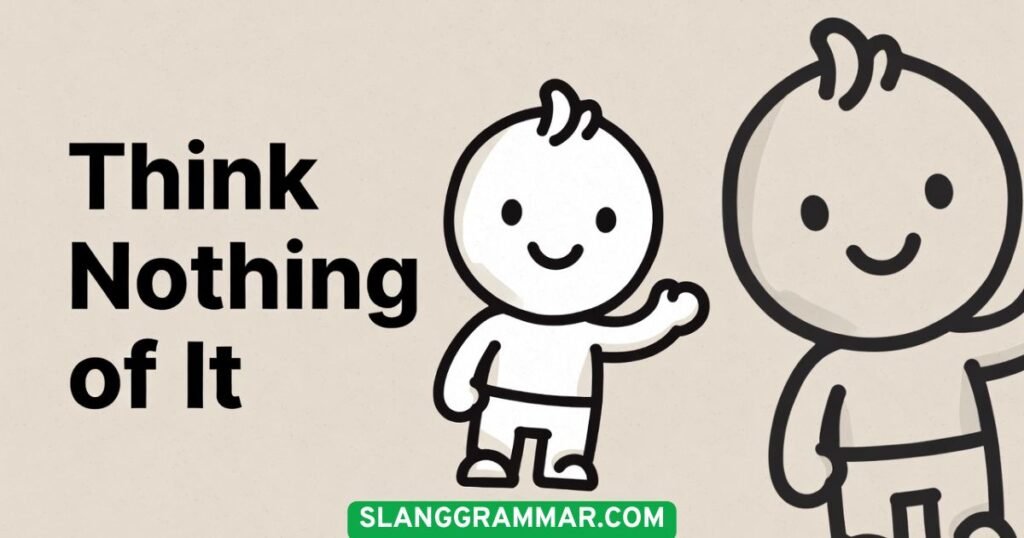
Explain that Think Nothing of It is a polite and humble phrase. It means the person should not feel like the favor was a big burden.
This phrase can sound a little classic, but it is still understood in American English.
Example:
Thank you for going out of your way.
Think nothing of it.
It Was the Least I Could Do
Explain that It Was the Least I Could Do is caring and thoughtful. It means you felt the person deserved help and you were happy to give it.
This phrase works well in serious, emotional, or supportive situations.
Example:
Thank you for helping my family.
It was the least I could do.
I’m Here for You
Explain that I’m Here for You is emotional, warm, and supportive. It is more personal than You Are Most Welcome.
Use this phrase when someone thanks you during a difficult time.
Example:
Thank you for supporting me through this.
I’m here for you.
Read Also: 27 Other Ways to Say “It Was Nice Talking to You” Naturally and Politely
Anytime, Happy to Help
Explain that Anytime, Happy to Help is friendly, positive, and natural. It combines two useful phrases and shows that you are open to helping again.
This phrase works well in emails, customer service replies, and friendly conversations.
Example:
Thank you for answering my question so quickly.
Anytime, happy to help.
You’re Welcome
Explain that You’re Welcome is the most common and direct way to say You Are Most Welcome.
It is simple, polite, and works in almost every situation.
Example:
Thanks for your help.
You’re welcome.
You’re Very Welcome
Explain that You’re Very Welcome sounds warmer than You’re Welcome and more natural than You Are Most Welcome.
It is a good choice when someone gives a sincere or strong thank-you.
Example:
Thank you so much for your help.
You’re very welcome.
Read Also:
I Was Happy to Help
Explain that I Was Happy to Help is kind, clear, and natural. It shows that helping the person was something you gladly did.
It works in both formal and casual situations.
Example:
Thank you for helping with the event.
I was happy to help.
I Appreciate You Saying That
Explain that I Appreciate You Saying That is a thoughtful response when someone thanks you in a sincere way.
It shows that you value their kind words.
Example:
Thank you for everything you did.
I appreciate you saying that.
That Means a Lot
Explain that That Means a Lot is a warm and emotional reply. It is useful when someone’s thanks feels personal or meaningful.
Example:
Thank you for always supporting me.
That means a lot.
Best Professional Alternatives to “You Are Most Welcome”
Explain that in professional settings, the best alternatives should sound respectful, clear, and polished.
My Pleasure
Mention that My Pleasure is excellent for customer service, hospitality, and formal replies.
Happy to Help
Mention that Happy to Help sounds friendly but still professional.
I’m Glad to Help
Mention that I’m Glad to Help works well in emails and workplace conversations.
It Was a Pleasure
Mention that It Was a Pleasure is ideal for formal or service-based situations.
Always Happy to Help
Mention that Always Happy to Help is useful when you want to sound positive and available.
Best Casual Alternatives to “You Are Most Welcome”
Explain that casual alternatives are better for friends, family, texting, and relaxed conversations.
No Problem
Mention that No Problem is common and easy to use.
No Worries
Mention that No Worries sounds relaxed and friendly.
Anytime
Mention that Anytime is short and warm.
You Got It
Mention that You Got It sounds natural in American English.
It’s No Big Deal
Mention that It’s No Big Deal works when the favor was small or easy.
Best Supportive Alternatives to “You Are Most Welcome”
Explain that supportive alternatives work best when someone is thankful during a serious, emotional, or personal moment.
I’m Here for You
Mention that this phrase shows emotional support.
I’m Always Here to Help
Mention that this phrase shows ongoing care.
It Was the Least I Could Do
Mention that this phrase sounds kind and thoughtful.
Anytime You Need
Mention that this phrase offers help for the future.
Common Mistakes to Avoid When Saying “You Are Most Welcome”
Explain that the biggest mistake is using You Are Most Welcome in every situation. It may sound too formal in casual chats.
Mention that some alternatives also need the right context. For example, “It’s my honor” may sound too serious for a small favor, while “It’s no big deal” may sound too casual in a formal email.
Do Not Overuse the Same Reply
Explain that using different replies helps conversations feel natural.
Match the Phrase to the Situation
Explain that professional emails need polished phrases, while casual chats can use relaxed phrases.
Avoid Sounding Dismissive
Explain that phrases like “It was nothing” or “It’s no big deal” can sometimes make the other person’s thanks feel small, so they should be used carefully.
Quick Comparison Table: You Are Most Welcome Alternatives
| Alternative | Best Situation | Tone |
| You’re Welcome | General use | Polite |
| You’re Very Welcome | Warm replies | Kind |
| No Problem | Casual help | Friendly |
| No Worries | Relaxed conversations | Easygoing |
| Anytime | Friends and coworkers | Warm |
| My Pleasure | Customer service | Professional |
| Happy to Help | Work and emails | Friendly professional |
| Certainly | Formal replies | Polite |
| Of Course | Everyday support | Natural |
| You Got It | Casual American English | Confident |
| No Trouble at All | Polite replies | Reassuring |
| It Was a Pleasure | Business or service | Professional |
| I’m Here for You | Emotional support | Caring |
| Anytime, Happy to Help | Emails and support | Warm |
FAQs About “You Are Most Welcome”
Is it correct to say you are most welcome?
Yes, “You Are Most Welcome” is correct English. It is polite, formal, and respectful.
What to say instead of “You’re most welcome”?
You can say “You’re welcome,” “My pleasure,” “Happy to help,” “No problem,” or “Anytime.” These sound natural and polite.
How do you say your most welcome?
The correct phrase is “You’re most welcome,” not “your most welcome.” “You’re” means “you are.”
What is the reply for “most welcome”?
A simple reply can be “Thank you again,” “I appreciate it,” or “That means a lot.” These replies sound polite.
How does Gen Z say you’re welcome?
Gen Z often says “No worries,” “No problem,” “All good,” “Of course,” or “I got you.” These sound casual and friendly.
Conclusion
“You Are Most Welcome” is a polite and kind reply after someone says thank you. It shows respect, care, and good manners. This phrase means you were happy to help and the person does not need to feel worried. People can use it in school, at work, in emails, and in daily talks. It sounds formal, but it also feels warm when used in the right way.
Learning other ways to say “You Are Most Welcome” helps you speak better in many situations. Simple replies like “My pleasure,” “Happy to help,” “No problem,” and “You’re welcome” also sound nice and respectful. Each phrase has its own tone. Some are better for friends, and some are better for work. A good reply makes others feel valued. Use the phrase that fits the moment, and your words will sound clear, warm, and polite.
Related Guides:
1: Better Ways to Say Thank You for Your Concern in Everyday and Professional Situations
2: 39 Examples of Better Ways to Say “I Am Sorry to Hear That” in Professional and Everyday Conversations
3: Better Ways to Say “Wish You All the Best in Your Future Endeavours” With 28+ Natural Alternatives